A newsletter and podcast focused on Friday Strout's fiction and tabletop roleplaying games. Featuring top industry contributors from both the professional Game Master scene, game designers, writers, artists, and more!
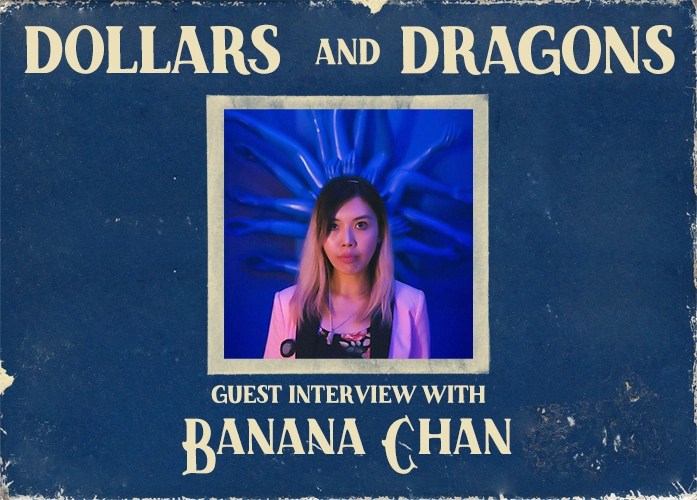
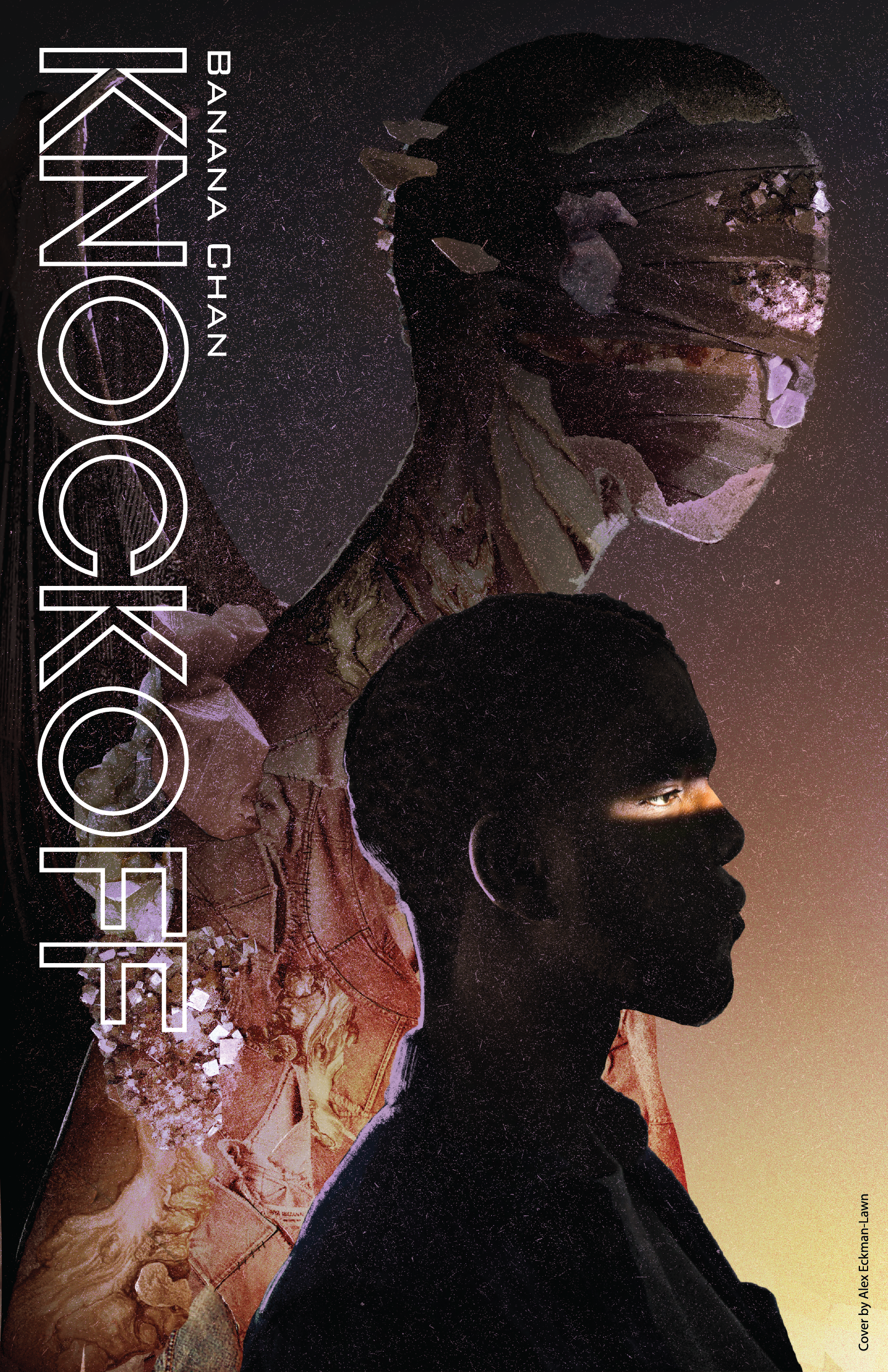
Returning to form is one of TTRPG’s premiere designers, Banana Chan (she/they/he) launches a crowdfunding campaign for a game aimed at scaring the shit out of you while you play alone in a dark room. Knockoff is the sequel to Forgery, part of a series of journaling games that will creep you out. My conversation with Banana delved into what Knockoff is and how it was made, his design philosophy, and the future of small independent games.
Check out the video below for a 60 second summary of Knockoff:
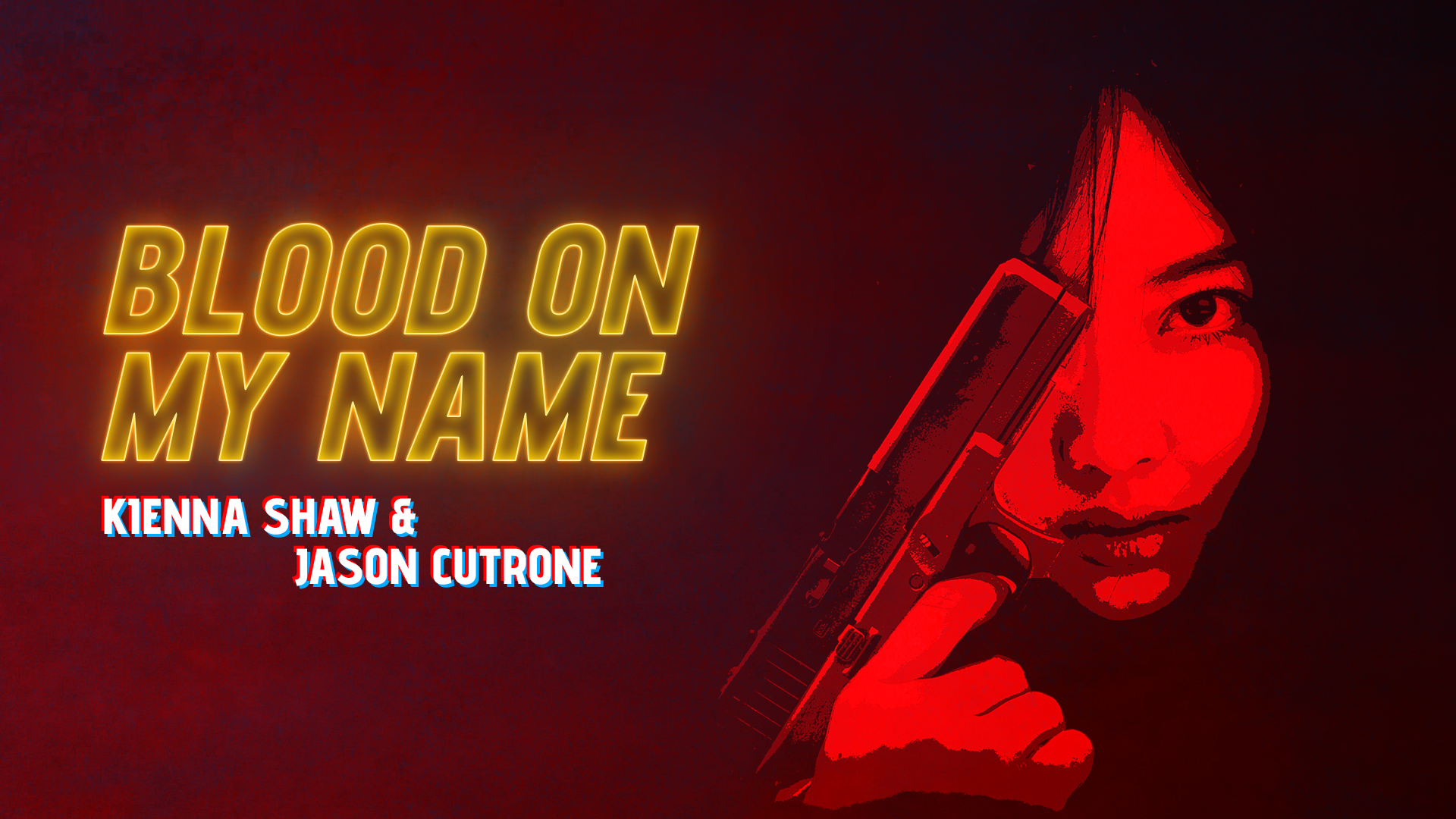
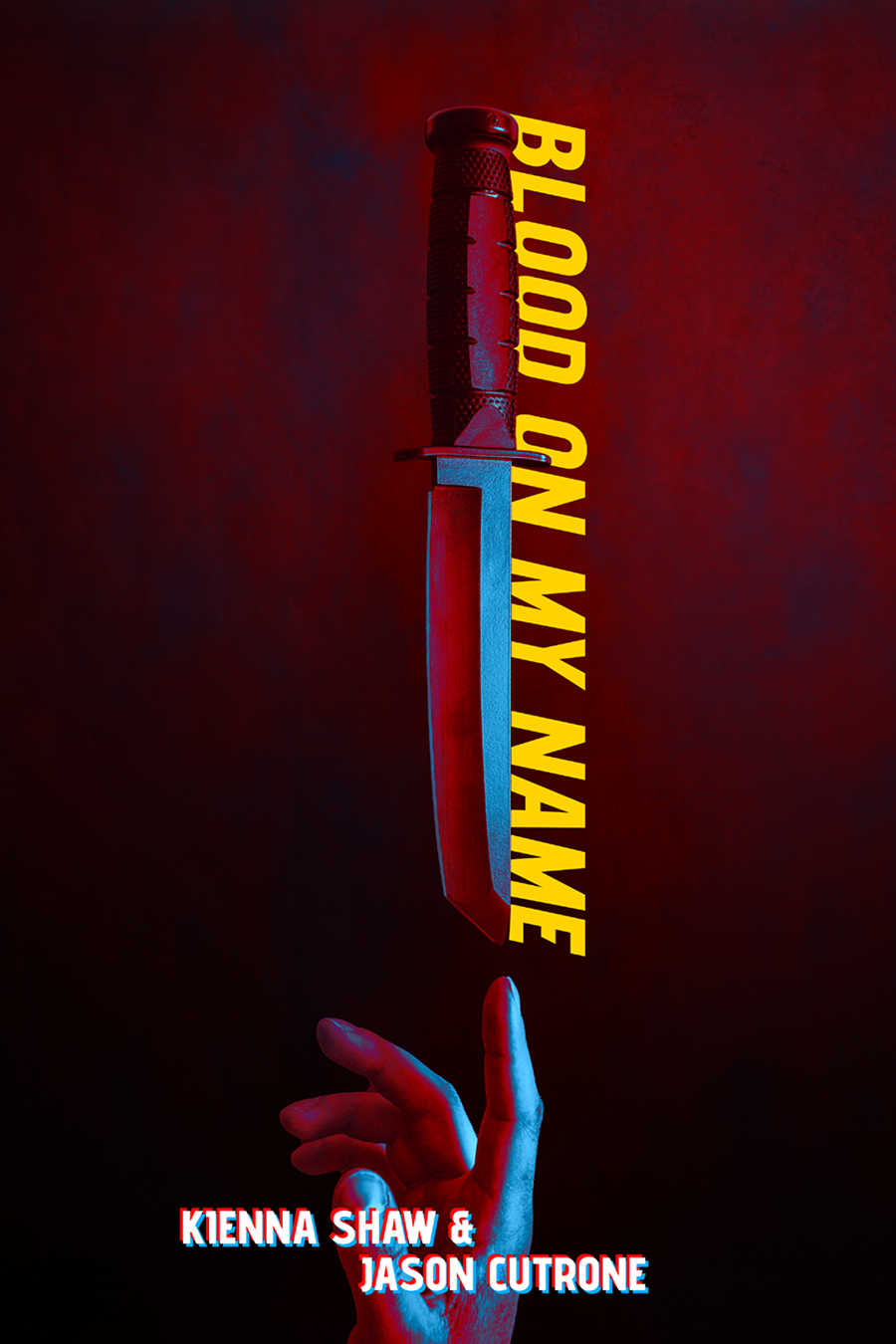
This time I have on Blood On My Name co-creators Kienna Shaw (she/they) and Jason Cutrone (he/him). We chat about what I personally love about the game, what their process was for its creation, its inspiration, and what solo journaling games are as a medium.
Blood On My Name is a solo journaling TTRPG that follows a former assassin on a mission of revenge. Delve into a shadowy underworld filled with espionage and intrigue, connect to former professional associates, explore clandestine locales, and eliminate anyone and anything that stands between you and your target.
If you choose to support this game, you receive your copy immediately and can start playing it tonight. Supporting indie games is important for so many reasons – and I do not receive any kickbacks for this podcast – I just simply love the game and I’m excited about it. Click on the images below to check it out!
Inspired by the films of Chad Stahelski (the John Wick film franchise) and the spy fiction works of John le Carré (The Karla Trilogy) and Ian Fleming (The Bond Series), this game is not about fame or glory. It’s about vengeance. Violence. The depths that you’re willing to sink to, when everything that you love is dead and all that’s left is the pain of that loss. Death lurks in every shadow that Babel casts, and your character’s survival is far from guaranteed. TAKE YOUR REVENGE, OR DIE TRYING.
This game builds on the Wretched and Alone SRD, utilizing a standard 52-card deck and a block tower. It introduces new injury mechanics to further test your willpower, as well as a “crosshair” mechanic for drawing closer to your target and planning your way out when the job is done. 52 unique scene prompts will guide your story. There are many ways to die, and only one way to make it out alive.
About the Creators
Kienna Shaw (she/they) is an award-winning Canadian game writer and narrative designer based in Toronto. Their work has appeared in numerous publications (including Pathfinder Lost Omens: Tian Xia World Guide, The Ultimate Micro-RPG Book, and Land of Eem), and she’s self-published multiple solo projects and collaborations with Jason Cutrone. They can be found everywhere as @KiennaS (like on Bluesky https://bsky.app/profile/kiennas.bsky.social, itchio https://kiennas.itch.io/, or on her website https://kiennas.com/).
Jason Cutrone (he/him) is an award-winning Texan game writer and designer. His previous works include The Hare-Barons’ Estate, Arcon: City of Neon Daylight, and the adventure module Orange Coloured Sky for Modiphius Games’ Fallout: The Roleplaying Game, the first in the Astoundingly Awesome Tales series of products. He has collaborated with Kienna Shaw on numerous projects, which can be found on their itchio (listed above). His solo works are hosted at justjasonpls.itch.io. He abstains from social media but can easily be reached via raven, candygram, or smoke signal.
Dylan Grinder (she/he) is an American game designer and graphic designer based in Toronto. He’s the creator of the widely-acclaimed game Spoken Magic, alongside many other self-published games, tools, and graphical assets. She’s also the person behind Heartheld Games, which publishes Become: Artificial Investigation. Dylan can be found on Bluesky (https://bsky.app/profile/anarisis.dylangrinder.com) and itchio (https://anarisis.itch.io/).
This time I have on James J. Haeck (they/them) who uses storytelling on the podcast to educate us how designers can forge their own path. After getting started via Matt Colville videos, James goes through their beginnings as a creative in the industry and how to position yourself to “make it”.
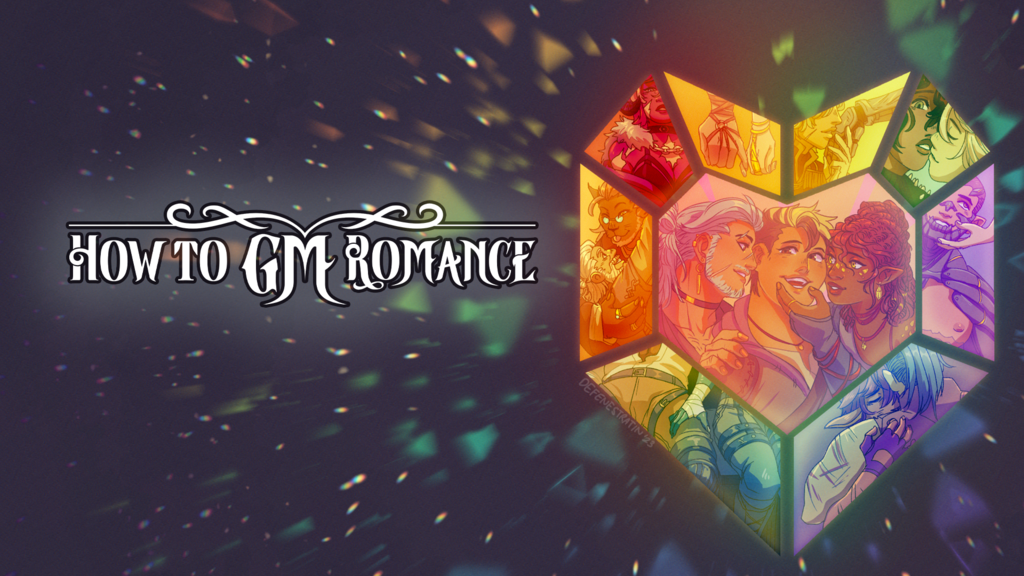
We are wrapping up production on How To GM Romance and it is my pleasure to highlight the work of some of our creators for the book. I’m so immensely proud of the writing, design, and art that has come in as we finalize the book! Without community support for queer art, unfortunately it would never see the light of day. Queer art is more important than ever with the current political climate in which bigots refuse us life saving healthcare, wish to erase us from history and even public life. Just as we must resist to exist, we must create and love to fully live.
A short interview with some of our creators is below. Please support these contributors by checking out their work and if you are interested – there is a link to pre-order How To GM Romance at the end of the article. You will also find more information and a fun teaser video on the Backer Kit page. Enjoy.
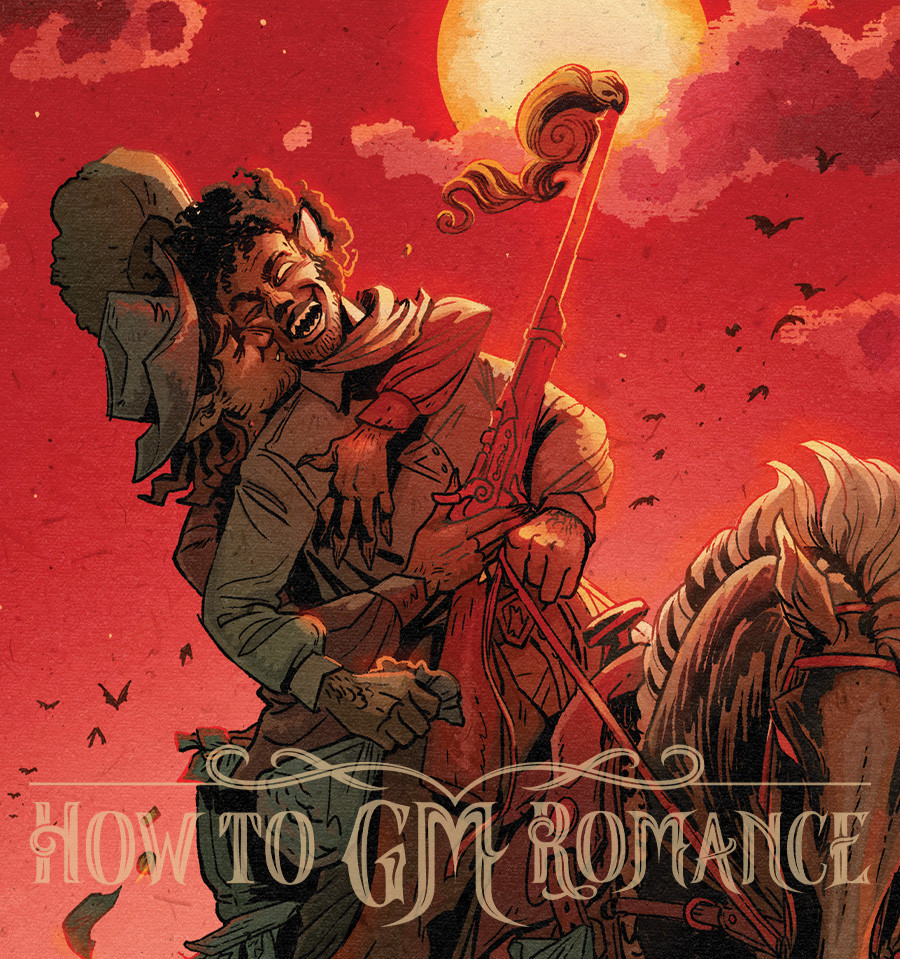
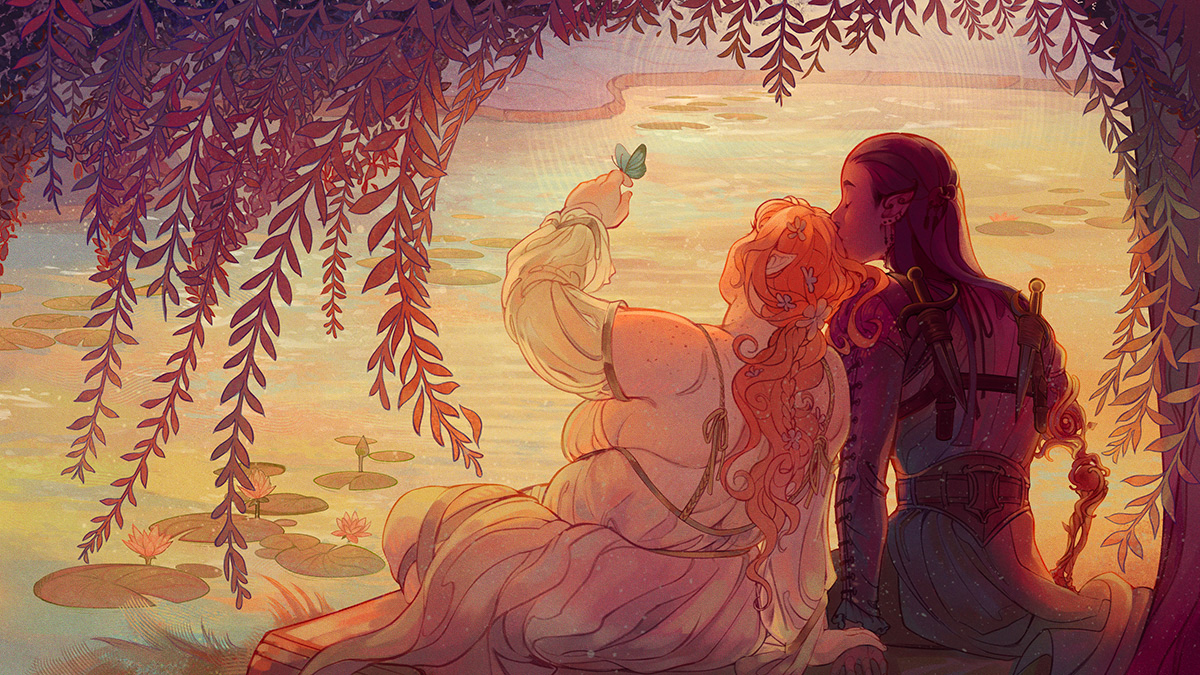
Cale & Briar, the artist’s supernatural queer cowboys – Coyoteprince
Q: What did you contribute to the book?
Coyoteprince (they/them): Queer and impoverished folk- of which both I and my supernatural cowboys are- are often read through an othering, harsh view. Whether it be simply uncomfortable or an outright threat, the point stands: a miasma of difference follows us with other’s judgement often too distracted to view the context of why we are. I often explore this phenomenon through my work with effort to hint at what lies underneath the initial strange visage- something soulful, loving, and human. I do believe my hardy cowboys summarize this well. At first bright, brash, intimidating- but look a little closer, and you may just see a hint of something more.
Sebastian Yūe (they/them): I contributed the Romance Tracking System, a framework for GMs who want to facilitate romances between player characters and NPCs. Included in the system are a Romance Sheet and an Approval Tracker. The Romance Sheet helps you remember key details about romanceable NPCs, and the Approval Tracker offers a concrete approval score mechanic to represent an NPC’s attitude towards a player character, and instructions on how to use that score to roleplay the NPC’s responses to the player character’s actions.
Alex Roberts (she/her): Sex scene system, a question-oriented system that helps GMs and players create interesting, varied, and meaningful sex scenes.
Friday (she/they): The dispute system, date scenes, and I’m assisting with the romance adventure that my South American trans co-author Luna is masterfully piecing together. The dispute system is for fights, both leading to a break-up and also right back around to steamy encounters. What’s a little romance without spice, I say?
Q: Why is your contribution important?
Sebastian Yūe (they/them): The approval score system is a familiar mechanic inspired by similar systems in video games that feature companion romances, and I’ve adapted it for use in tabletop games and expanded guidelines for roleplay. The other systems in this book are connected to this central system. Importantly, a high approval score doesn’t mean that a romance is necessarily more likely; I’m especially interested in enabling enemies-to-lovers or enemies-and-lovers dynamics. I want to help players and GMs have the spiciest possible time roleplaying complex, messy relationships.
Alex Roberts (she/her): I know players and GMs are both drawn to and intimidated by sex as a subject. I wanted to create a structured, but not restrictive, process by which players can create scenes that are about what actually makes sex interesting – which is less about what physically happens and more about what it means and how it feels for the people involved.
Friday (she/they): The dispute system and date scenes allow GMs to pick up the book and engage with players on a whole new level in a fun, popcorn-fueled spat or happy ending. Often we tune in for the drama, be it from Real Housewives style of trash reality TV or soap operas, to thoroughly dramatized history of our experiences in fiction or on HBO. Dynamic relationships are important to making your game feel real and without some gray area to romance there is a tendency to shove it into the background when it could be more fun.
Q: What is romance’s place in tabletop games?
Coyoteprince (they/them): Tabletop games are all about community and cooperation- and you can’t have either with a bit of romance here or there. It’s a natural option that allows a different exploration of community.
Sebastian Yūe (they/them): Romance adds a new dimension to roleplaying; you can show a new side to a character who is in a romance that you wouldn’t otherwise get to show. The way they act when in the presence of someone they have feelings for is a great way to reveal details about their history and personality. Romance is also a fun excuse to flirt with your friends.
Alex Roberts (she/her): Intimacy between people is one of the most common themes in… the entire history of human storytelling? (Many creation myths start with a bang.) We tell stories to find meaning in our experience, and romantic relationships are central to many of our lives.
Friday (she/they): I think that for my characters I prefer that they are three dimensional and part of that is to represent a character’s desires at every level. While roleplaying sex isn’t necessarily what the table is comfortable with, keeping things PG-13 or even R rated is generally acceptable, dependent on the audience. Even then, you could agree to more “steamy” private sessions via text at each individual’s comfort level. Be it a plain romance for dressing or a deep and fun-problematic romance, GMROM provides the tools for everything.
In exploring my queerness after I came out, I knew that I wasn’t looking for the normative stuff that was displayed in media, so I sought out more queer stories. As it turns out: A lot of queers engage with TTRPGs for this reason – there just isn’t a medium you can feel free like tabletop. In addition to that: Most GMs (pro or amateur) that I’ve spoken to felt as though there wasn’t a very good resource available for GMing romance. Both from an generalist advice angle and a hard mechanics situation, to also finding fluff to help the creative process. We’ve got your hardcore and your fluff, alright.
Q: Do you roleplay romance at your table? If so, what experiences would you like to share?
Sebastian Yūe (they/them): I absolutely do roleplay romance at the table! I’m in a 7-year-long D&D campaign and my wizard is romancing my friend’s cleric. We’re writing an erotic short story series based on the romance, which you can find here: https://archiveofourown.org/series/2941902 Some of the stories even have pictures from artists that we’ve commissioned. If you enjoy unhinged time magic, tragic backstories, and hot sex scenes, you’ll like the series.
Alex Roberts (she/her): Often! I make games about love, because that’s the kind of game I like to play – I love complicated relationships, big feelings, and stories that resonate with real life.
Friday (she/they): It’s actually how I got into this mess in the first place! I’ve had poor experiences with romance in TTRPGs and other roleplaying mediums. Privately roleplaying romance as a woman was my way to survive while in the closet for many years in a world that forced its heteronormative agenda on me daily. It’s always been a safer (when given boundaries, session 0, cards etc.) way to explore without as many risks as being out in the dating scene. For those trying romance for the first time: might even find you are interested in something that you’d have never tried with a stranger or even a trusted partner in person.
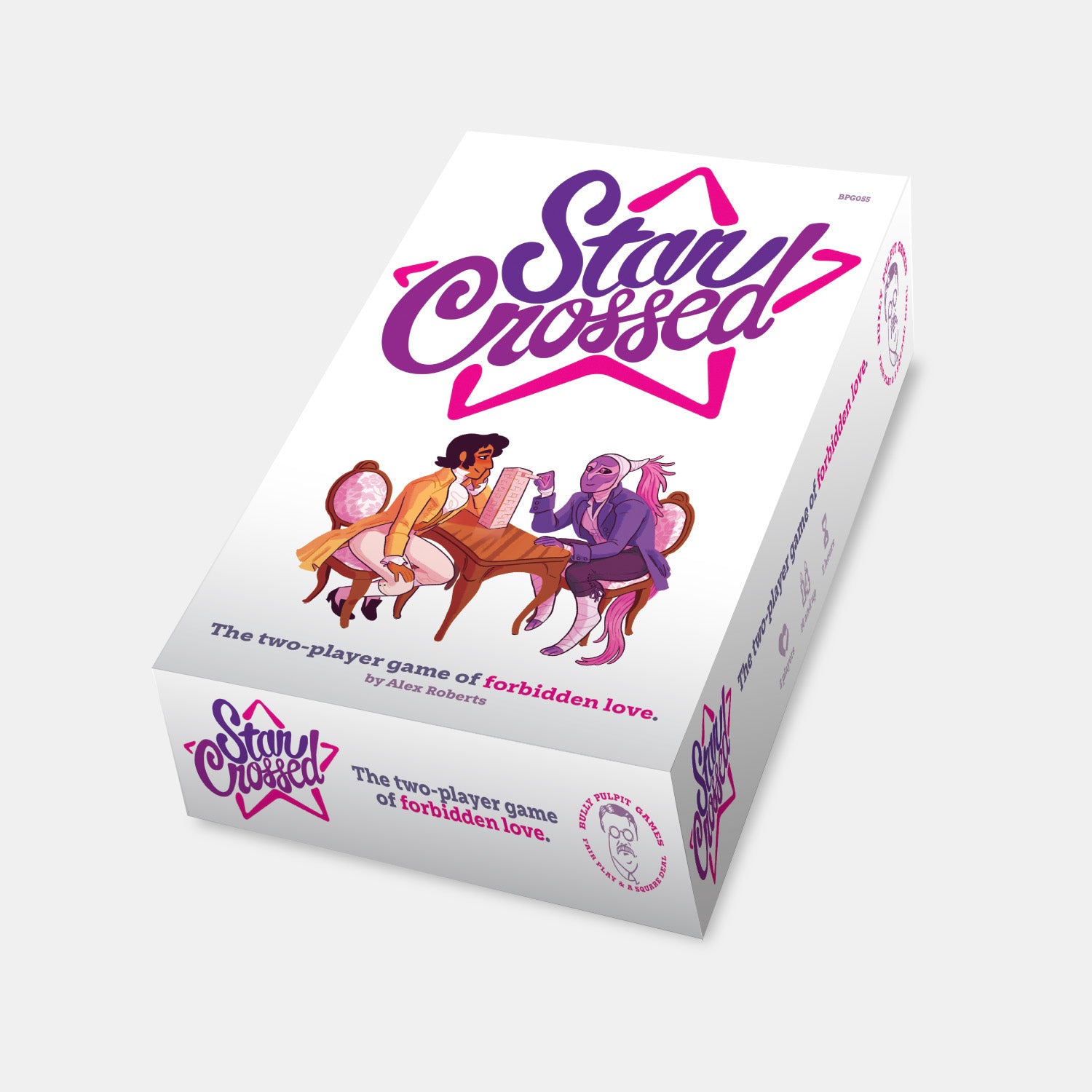
You may have heard of the “sexy Jenga” game by Alex Roberts…. Well worth the money! Get Star Crossed here.
Q: What do you think is missing from romance in games?
Sebastian Yūe (they/them): I think games [emphasis author’s] are missing romance! I’m hoping that this book makes it easier for GMs to introduce romance into games where romance isn’t necessarily the main focus, but would be fun and interesting to explore as part of the story. I’m really excited for GMs to receive this book because it contains all sorts of useful tips and tricks for including romance in your game, even if you’re new to it.
I made a Twitter post about this, but is anybody really on Twitter anymore?
My team is competing with some real heavyweights. I feel like the new kid on the block and there’s such a small chance that we win. Still – why not ask? I appreciate everyone’s love and support over the past couple years. I’ve sought to make pro GMing more accessible and to have the opportunity to make RPG products I’m really excited about.
I feel so lucky to be nominated! Winning an ENNIE helps sell more books, so it helps my career and my team’s. It also helps my teams get recognized and approved for more projects in the future, because it tells them that we make quality work. Losing doesn’t invalidate the honor of being nominated in the first place, to me.
It would just be nice to win. Thank you for considering us!
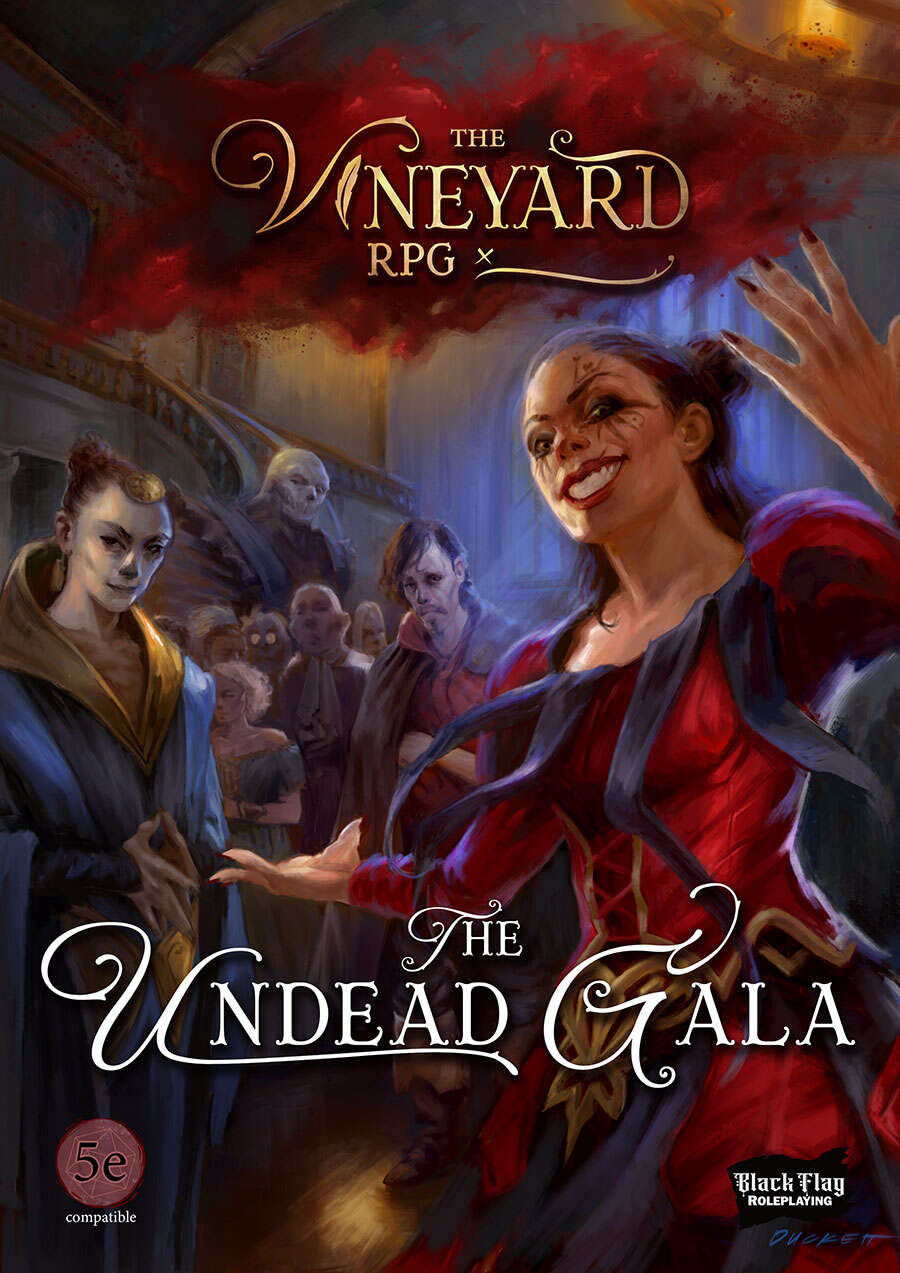
Click the cover art below if you’d like to check out The Undead Gala, now on sale for $0.99! It includes a $15 coupon to pre-order the Vineyard RPG book.
I’ve been a professional GM for 2.5 years. When I was new to the scene, often the more experienced professionals in the StartPlaying Games Discord would talk down to me or about my advice. They stopped doing that, largely, when I went full-time in 3 months. What I was doing was working – no one could argue with me on that point. The next major hurdle I had was convincing people that they were not writing effective ads.
After organizing and running ad workshops for hundreds of pro GMs, I noticed some trends about not only their business but also how to deal with their players, community, and so forth. You might even say there was an underserved market (MBA term, heeeyy)! The most difficult aspect of this job for many of us is the expectation of customer service in a casual setting. This takes many forms: from responding to messages at all hours, to managing a table’s culture, maintaining a 24 hour notice policy for attendance, to anything a player can swing at you.
Beyond those business considerations that I’ve covered in my newsletter, the biggest “table problem” was always romance. Such as:
A player did something without consent from another player and now you have a problem on your hands!
Your long-time player wanted to get married but you were unprepared, so the scene and romance fell flat.
Players had difficulty matching expectations with one another for a PC to PC romance.
You were unable to communicate where your boundaries were with a player.
Romance isn’t your specialty, so even though you really wanted to enable a player going on a date, you said no because you weren’t confident.
You didn’t know how to design an NPC for a romance, so you didn’t.
You felt overwhelmed by the amount of work involved in developing a romance, so you didn’t. There was no template or resource.
Education is difficult as a medium to push. However, I have faith that as a subscriber to this newsletter, you believe in professional education and useful tools for GMs. I am so proud to be a part of this project How To GM Romance – it’s genuinely a dream come true that I’m in a position to lead it.
As a game master, be you professional or hobbyist, you are in a position of power. It’s so important that you are educating yourself on how to best manage your table while building trust. Relationships – all of them – are about trust. With a thorough education about how you might try to approach romance in your games, you are giving yourself the best opportunity to be trusted by your players. In turn, that trust is going to build into a beautiful opportunity to share something powerful with them.
If your players are not invested in your game, I would wager that a big reason for that is the lack of trust or respect in what you are trying to achieve. Many of the most “anti-romance” player I have met in my games, if they stuck around long enough, asked for some form of romance. Why? Trust.
Yes, even an “off screen” romance is facilitation of romance. The expectation of romance for a GM is not a prescribed conclusion, a sex scene, or a saucy break-up – just as it would not be for any theme or plot. Being educated about romance does not mean you are going to railroad everyone into polycules. It just means that you are prepared.
We run the game for the love of the game. Why not game with love, too?
Please check out our Backer Kit campaign. With the support of this growing community, I hope to keep building tools for GMs. May this book be loved as intensely as the support you all have given me.
Our sponsor this month is Tabletop Mirror! Check them out in the video below or read the transcript. Sponsors help keep this newsletter and my podcast free! Please follow them on Backer Kit if it’s a service you’re interested in.
I love improvising in my games and adjusting everything to fit the table so that I give my players a unique and memorable experience. The problem is the bookkeeping. I can’t even remember the last time I leveled up my party, let alone some obscure lore or tweaked magic item I gave them 10 sessions ago.
And really: Homebrewing can be difficult not because the game itself is hard to learn, but because homebrewing into our tabletop programs or VTTs can only be accomplished with deciphering the complex code the website was written in.
That’s not the case with Tabletop Mirror. If you need to create something, you just type it in plain text then you can link it through an easy-to-navigate database. It’s a game changer in terms of homebrew organization and development. Easy to share with your players, too.
My favorite part about Tabletop Mirror is the fact that it makes the tedious bits of random facts easy to organize. Do you need a timeline and calendar? You’ve got it. Do you need to make your own map or upload something to scribble on? Covered. It also has a quick and straightforward battlemap and VTT system if you prefer to keep things in one window.
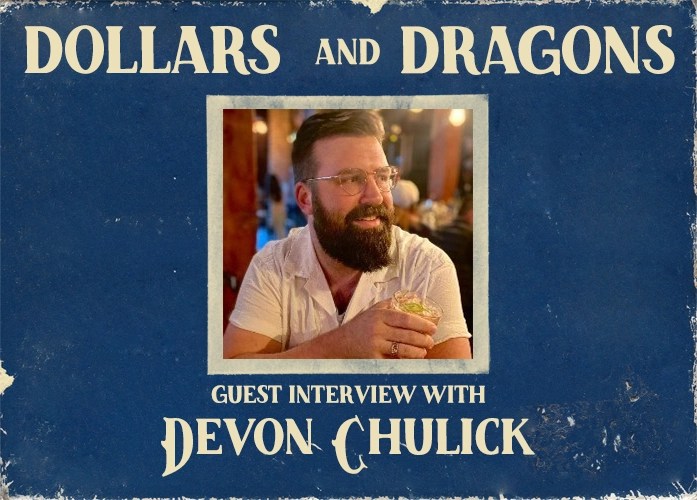
This time we have the co-founder of Start Playing GamesDevon Chulick. We talk about Total Party Chill, the SPG origin story, and what’s new with SPG. This was recorded earlier in the year, so some of the features may already be launched on SPG!
If you’re a GM listening who struggles with romance and would like a great resource to be able to handle anything your players might throw at you – in a safe and comprehensive way – check out my new guidebook How To GM Romance.
Your support means we can continue to make great resources for GMs to help you earn a living wage as a pro!
Hey y’all! I just wanted to pop in to let y’all know that we’ve been nominated for the 2024 ENNIES! If you’re interested in checking out the adventure itself, it’s on sale right now for $0.99 on Drive Thru RPG. Voting opens up next week with the winners announced at GenCon next month. I will be annoying and send a link to the voting when that happens.
My eternal thanks to my team! here is a flip through I did for the adventure if you are a GM and want to listen to me talk about the adventure itself. I made this back in November when we released the adventure. Wow I was excited about it then, too.
Enthusiastic credit goes to my full team on this part of the book.
GMing romance plots is dangerous. Just look at reddit or watch any YT videos about awkward D&D table issues. There’s so much that can go WRONG – yet it’s so EASY to get right. I run romance interests and plots for my players each week.
Here’s how…
Session 0 –
You need to express expectations, lines, veils, and safety tools. You absolutely need an X (stop) and/or N (veil) card in play if you’re going to allow romance or intimate contact. People have a right to change their minds mid-game – allow them the space to.
Start with your lines/veils and rules. I don’t allow myself to initiate with players as an NPC without consent. I’m in a position of power as GM, so it might be seen as something that “has to happen” in the context of a plot. That’s not true. So I eliminate the threat of it.
Clarity –
In that same vein, if a player initiates with me, I consider that to be temporary consent. My NPC will flirt back. If I feel uncertain, I will ask directly: “Is your PC flirting?” Sometimes the player will say “Oh! No.” That’s okay. People communicate differently.
As a GM you need to be ready for that uncomfortable clarification. People at your table sometimes won’t feel comfortable expressing themselves unless prompted directly, in private or in public. Use your discretion for this.
Temp Consent –
If I have temporary consent, (they flirted with an NPC) I will check-in with the player post-session. “How was that? Did you have fun with this? Is this something you want to continue?” Again: consent is not something you gain once and have forever.
Ask –
If I ever feel as though I want to run a romance plot that involves their PC, I will ASK FOR PERMISSION explicitly to the player in a private message. This is to eliminate: Peer pressure, awkwardness, and potential embarrassment. If they don’t want it? I don’t either.
Planning Romance –
If I’m wanting to do a thing for story reasons I will plan a 4 plot point story arc.
Initial awkward romance
Serious confession
Commitment/Conflict
Resolution
I check in privately at each stage. Usually after every session with romance, even.
These can be fit in nicely during downtime usually or in conjunction with a major plot. These are “b plots” that you find in many series dramas. They’re meant to incite direct interest for short periods of time, but not be the main story. They can also humanize former antagonists.
Value –
What can romance plots do for your table? Well, for some players they are an important facet to what it is to be human. If you do this carefully and intentionally, you can really invest your players.
Apologize –
You’re going to make mistakes. Be ready to admit a mistake and listen to your players if they express discomfort. Your romance script is not as important as the safety of your players.
Modify Memory –
You might need to drop a plot. Someone could be having a rough time IRL. The romance could be stressful and not fun anymore. For any reason if a player wants to – I allow a player to X out of a relationship, vaporizing it. (As though it never existed.) It’s easier for me to cut out the problem than to lose a great player.
What if you want more than this article can tell you? You’re in luck. We’re launching How To GM Romance soon! Check it out.