Dollars & Dragons

A newsletter and podcast focused on Friday Strout's fiction and tabletop roleplaying games. Featuring top industry contributors from both the professional Game Master scene, game designers, writers, artists, and more!

  • by Nathaniel Kreiman, lead designer of Vineyard RPG

    First Topic: Healing in 5e!

    Healing is… bad, in 5e.

    Compared to other TTRPGs, MMOs, or tactical board games, healing in 5e is a pretty bad deal. 

    Particularly in combat, particularly from spells. Cure wounds is not a good spell. Artificers and rangers often want it for lack of other options, but when you cast cure wounds, you are usually spending your action plus a resource to heal less damage than one monster can deal in one of their two attacks.

    What makes healing in combat good, is that in 5e, dying is also bad (as in, it’s hard to die). A character can spend a lot of time bleeding out at 0 in 5e before they die-die. And if you’re healing a character at 0, you aren’t just staving off the next half-an-attack they’d take, you’re giving them a full turn to act again.

    This is why healing word is so much better. Instead of trading your action—most of your turn—to give your downed friend the chance to act again, you’re only giving up your bonus action. Plus it has a 60-foot range compared to cure wounds’ touch!

    The only edge cure wounds has over healing word, is if the average 2 points of extra healing from cure keeps them up through an attack that would otherwise down them (a d4 vs. a d8 is a very minimal difference, at the end of the day).

    This is why, in combat, you should be looking to prioritize a lot of small heals, riding the brink of death. Bulk healing in combat isn’t usually viable, cure wounds is a terrible upcast. Jumping from 1st to 3rd only adds an average of 9 extra healing, and is almost never worth it. 

    Get more comfortable riding along at 20% or fewer hit points. You don’t need to be topped up for every fight! Like I said, dying in 5e is hard. 

    That being said, here are a handful of in-combat bulk heal options that are more viable: 

    -the heal spell. It’s 6th level, but 70 hit points is a big enough chunk to be worth it.

    -the life transference spell, 3rd level. Sure it hurts the caster, but it’s probably the lowest level bulk heal that’s actually good. It heals approximately double of what an equivalent level cure wounds does. It also has a 30-foot range! Oh, and did I mention that wizards can cast it?

    -high level potions: superior and supreme potions of healing actually heal a big enough bulk that they’ll let people tanks some hits. Greaters and basics are best used to pick someone up, or, if you really need it or have a lot of them, out of combat, or when you don’t have anything else to do with that action economy.

    -certain class features, like the peace cleric’s balm of peace, or a big chunk of the paladin’s lay on hands (though lay on hands is often better served just spending one point at a time to pick people up from 0). 

    ~-~-~

    Out of Combat:

    Is a different story. There’s quite a few options that are much better at topping people up when you’re not worried about enemies slicing you in half.

    Certain spells, such as healing spirit, aura of vitality, and prayer of healing are massive upgrades over just pumping out spell slots on cure wounds. When outside combat, healing spirit might be the best spell in the game to upcast for healing, as it adds a number of d6s equal to your spellcasting modifier + 1 for every level you upcast it (so 6d6 if you have a 20 in your casting stat).

    But the absolute king of out of combat healing is the short rest. Every day you manage to spend hit dice instead of spell slots or potions is a victory. Go for this options first, if you think it’s safe to do so.

    There’s also the Healer feat and temp HP, both of which I cover farther down. 

    ~-~-~

    Making & Playing a Healer:

    Firstly, the healer archetype isn’t needed in 5e. What is needed, is a couple party members who can healing word up downed party members in a fight. You don’t need a dedicated healer.

    Second, Clerics are Bad Healers in 5e. 

    Giving that it’s own line.

    The best healers in 5e get class features that they can use to heal people without spending their spell slots. Only two and a half clerics subclasses get this. (Life and Peace, with an honorable mention for Grave. Of the three, the only one that makes a truly good healer is the Peace domain.)

    The celestial warlock, circle of dreams druid, peace cleric, and paladins (though they’re hampered by their lack of healing word) are frontrunners for healing utility because they have great healing options while not needing to sacrifice their other resources.

    The next tier of healers are the ones that get abilities that augment their heals, stretching them out farther: the grave and life clerics, stars druid, alchemist artificer, and divine soul sorcerer (have you ever twinned the heal spell? Feels fantastic). Honorable mention to lore bard and any druid for access to spells like healing spirit and aura of vitality, alongside healing word.

    Although my biggest suggestion, if you want to make a healer, is to take the Healer Feat.

    This thing stretches out your healing massively. For each creature, you can heal for their level + 4 + 1d6, for no resources. And if they take a short rest, you can do it again! If your 6 person party gets one short rest in, at 6th level, that’s 162 points of healing for zero spell slots. It can also be used in combat in a pinch, and shoutout to the thief rogue for being able to use it as a bonus action! 

    ~-~-~

    One last honorable mention goes to temporary hit points. When you’re not trying to bring people up from 0, temp HP is just as good as healing. For that reason, the Inspiring Leader feat is excellent, and if you pair it with the Healer feat on any character you’ve made a very potent support build that can easily give your party hundreds of extra hit points each adventuring day. Other good options for temp HP include: the twilight cleric (easily the best one), the glamour bard, artillerist artificer (using the protector cannon), alchemist artificer, and the celestial warlock—back again!


    Nathaniel Kreiman (they/he) is a pro GM, disability consultant, and TTRPG Designer (Flee, Mortals!, Vineyard RPG.) If you’d like to check out Nat’s work or play a game with them, here’s their links!

    https://twitter.com/kreimnat

    https://startplaying.games/gm/play-with-nat
  • Dollars & Dragons Podcast

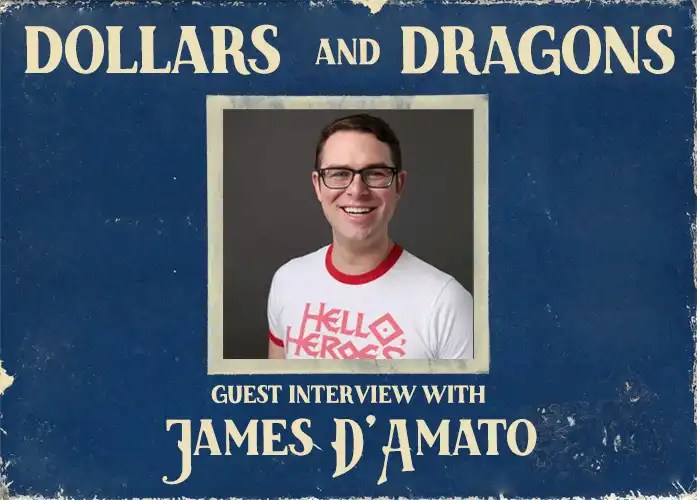
    Hello heroes! This ep we have James D’Amato (he/him) – the massively skilled podcaster and author! We talk about running a podcast as the President of the One Shot Podcast Network, running a Patreon, writing books, marketing books, the importance and differences between passive/reliable income, and shit talking Brennan Lee Mulligan! (I did not go to GenCon this year like I said I would.)

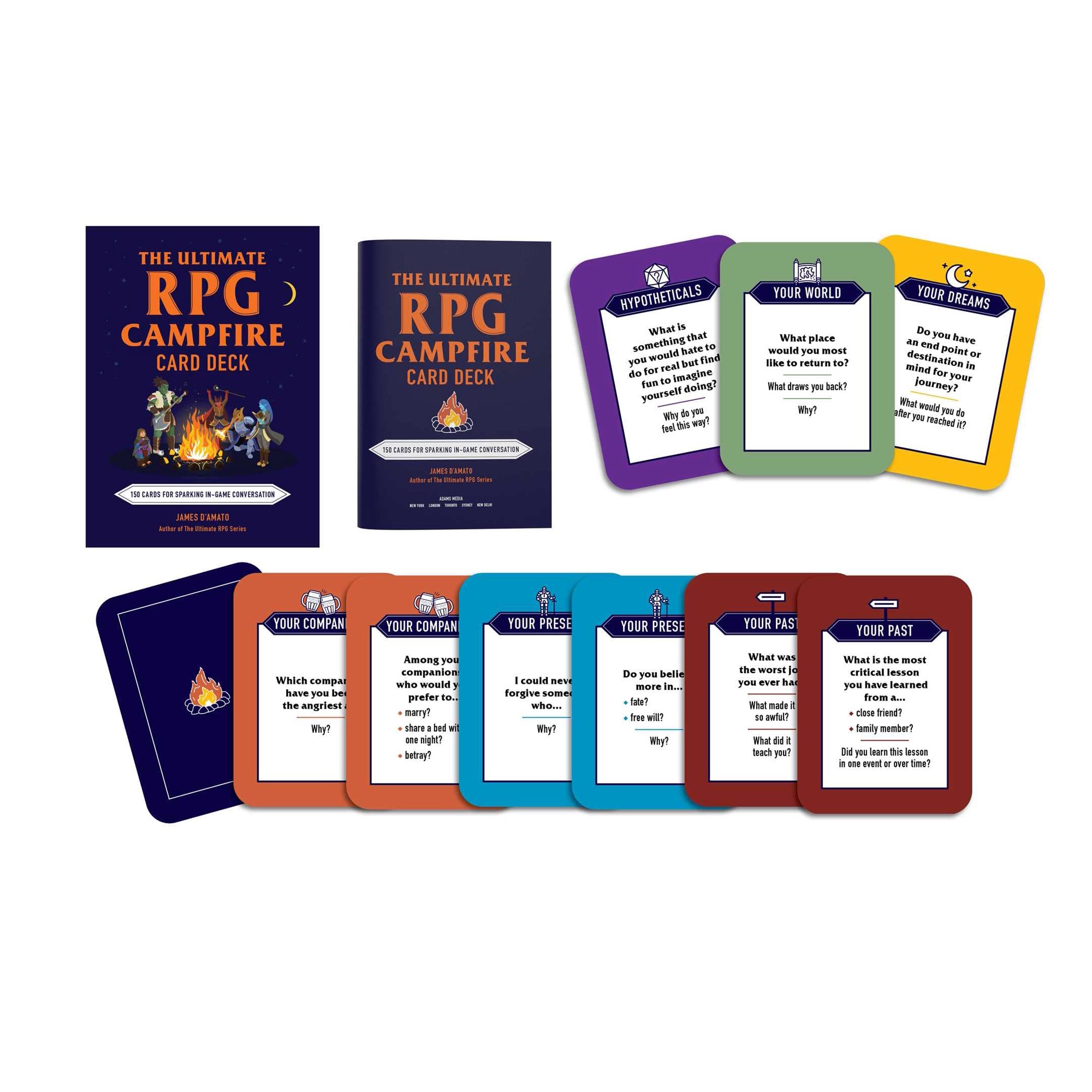
    James’s new card deck is out now – CHECK IT OUT:

    The Ultimate RPG Campfire Card Deck

    Ultimate Role Playing Game: The Ultimate RPG Campfire Card Deck : 150 Cards for Sparking In-Game Conversation (Game)

    RPGs that James recommends:

    Phoenix Dawn Command

    Phoenix Dawn Command Box

    Dread

    Ten Candles

    10c.jpg

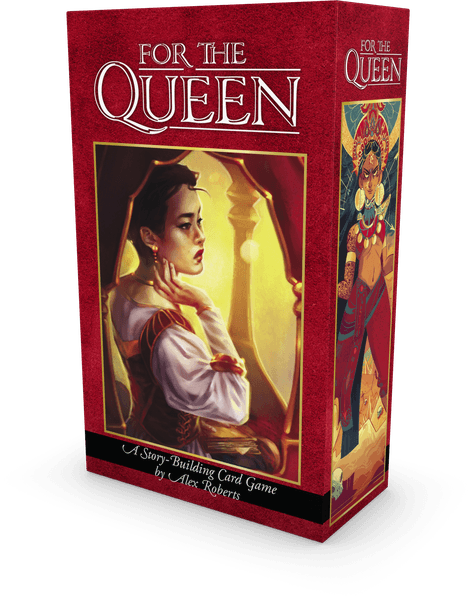
    For The Queen

    Box Cover
  • Enter for your chance to work with me and build a business!

    I’ve helped hundreds of professional Game Masters make a living on Start Playing Games. Now it might be your turn. Kick your old career to the curb and start a business that you can be passionate about.

    I’ll be selecting 3 individuals in this round of what I hope will be a regular YouTube series for me. For participants it will be a 2-3 month commitment from start to finish. Whether you’re looking to scale from part-time to full-time or start from 0 then I’m here to help! It’ll mean that you’re available for an hour-long weekly call as we work to maximize your business’s trajectory.

    You’ll be consenting for our video calls to be recorded and for your likeness to be used in media for my YouTube channel. (I will show each participant the rough cut before I finalize editing and post.)

    Let’s goooo!

    Fill out the form:

    https://forms.gle/DQJRNPGzPQtKnih68

  • Dollars & Dragons Podcast

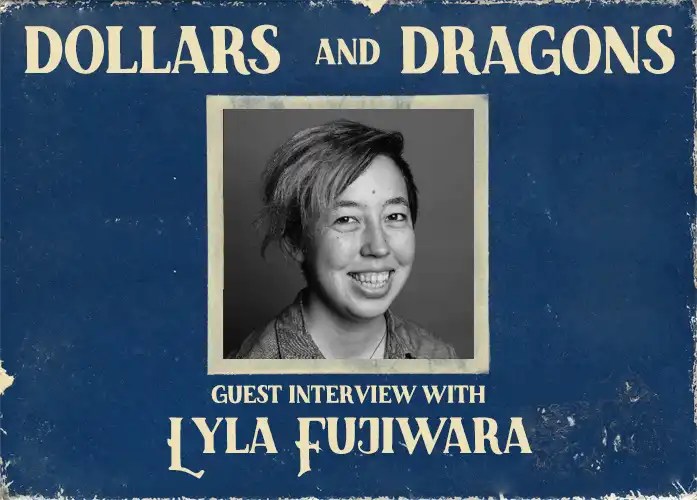
    This ep we talk to Lyla Fujiwara (she/her) who was a developer for Google and has since moved into tabletop industry. We talk about Big Bad Con, networking, freelancing, project management, and much more! Also Lyla asks me questions about pro GMing.

    LINKS:

    https://www.jarofeyes.com/

    https://www.dmsguild.com/product/427134/Out-of-Luck

  • Dollars & Dragons Podcast

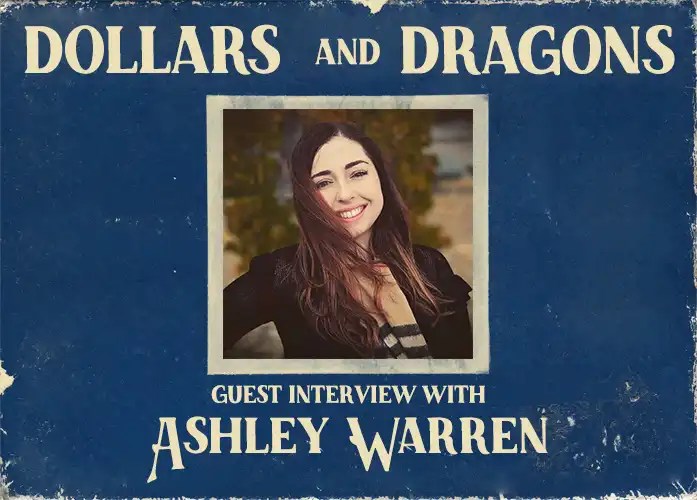
    I’m ecstatic to welcome Ashley Warren (she/her) onto Dollars & Dragons to talk about her freelance work and Storytelling Collective. It’s #1 resource for tabletop creators either just getting started or anywhere shy of industry master – you have something to learn from this platform. This is not a paid advertisement, I just love Storytelling Collective.

    We also talk about her origin story, DM’s Guild work, Rime of the Frostmaiden, Heckna, and more!

    LINKS:

    https://www.storytelling-collective.com/

    https://www.scribemind.com/

    https://twitter.com/ashleynhwarren

  • Dollars & Dragons Podcast

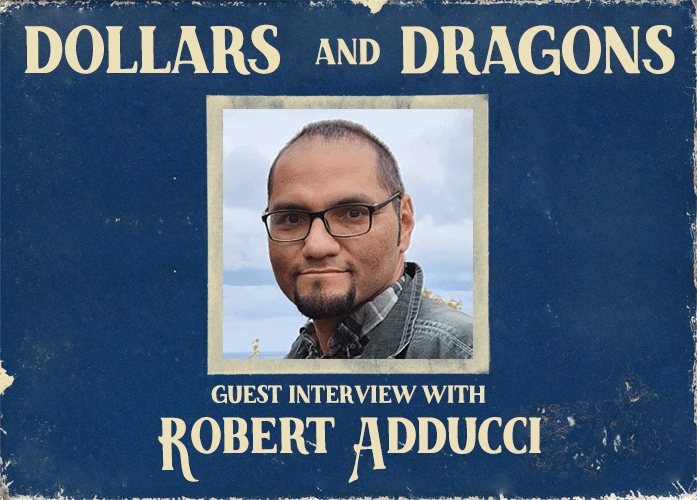
    I had a wonderful sit down with Robert (he/him) who is one of the most experienced Dark Sun GMs and writers in the world. We talked about the setting itself, Adventure League content, being a community manager, his podcast, and much more!

    Links:

    athas.org

    Twitter (https://twitter.com/Raddu76)

    Bone, Stone, and Obsidian (https://cast.athas.org/podcasts/bso)

    5e Facebook group (https://www.facebook.com/groups/DnD5th/)

    Dark Sun FB Group (https://www.facebook.com/groups/DarkSunFans)

    SPG profile (https://startplaying.games/gm/robert-adducci)

    Shadow of the Demon Lord and Weird Wizard: https://schwalbentertainment.com/

  • Dollars & Dragons Podcast

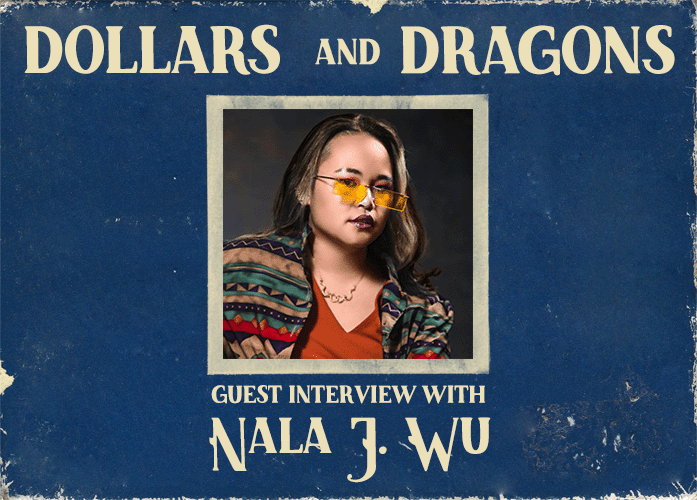
    We had the great Nala J. Wu on the podcast! Recorded on January 11th, heheh – sorry, got quite the pod backlog. We talk about working as an artist, Nala’s start in college, freelancing work, being an Art Director, and more!

    Combat Wheelchair art: https://twitter.com/naladraws/status/1611506845465841666/photo/1

    Other Links:

    https://naladraws.com/

    https://twitter.com/NalaWu

    https://twitter.com/naladraws

  • Some insight & solutions for people not joining your games

    Here it comes. The long dry spell of the summer break.

    (Unless it’s in the summer months. Go touch grass, loser.)

    People are going outside, sneezing their lungs out from the pollen plague, and finding out they don’t fit into the same clothes they used to. That’s tragic – but still more tragic is that your game listings don’t fit like they used to. That’s why I’m back again for your dose of reality in the pro GMing scene.

    Based on my conversations with other pro GMs, my personal experience, and just – you know – paying attention… I have a reasonable schedule that you can expect for your great success. It ultimately comes down to being prepared for the down months and scaling up during the boom months.

    The Basic Annual Schedule

    BOOM MONTHS WINTER: January – May

    I will attribute this to people being sick of their families and getting back into their regular schedules with college or work once again. There has been enough “off time” to grow the desire for clicky clacks.

    DOWN TIME SUMMER: June – August

    Unfortunately, not many of us in the pro GMing sphere can compete with Tinder or family vacations.

    BOOM MONTHS FALL: September – October

    Back from summer vacations and back into a regular schedule at college/work, the joins are now back at the table.

    DOWN TIME WINTER: November – December

    From Thanksgiving to New Years, since the majority of our player base is North American based, we should carefully consider the American holiday schedule for our planning.

    How To Keep What You Got

    For every “Down Time” month it’s a good idea to have 2 different things prepared for your players who are sticking around.

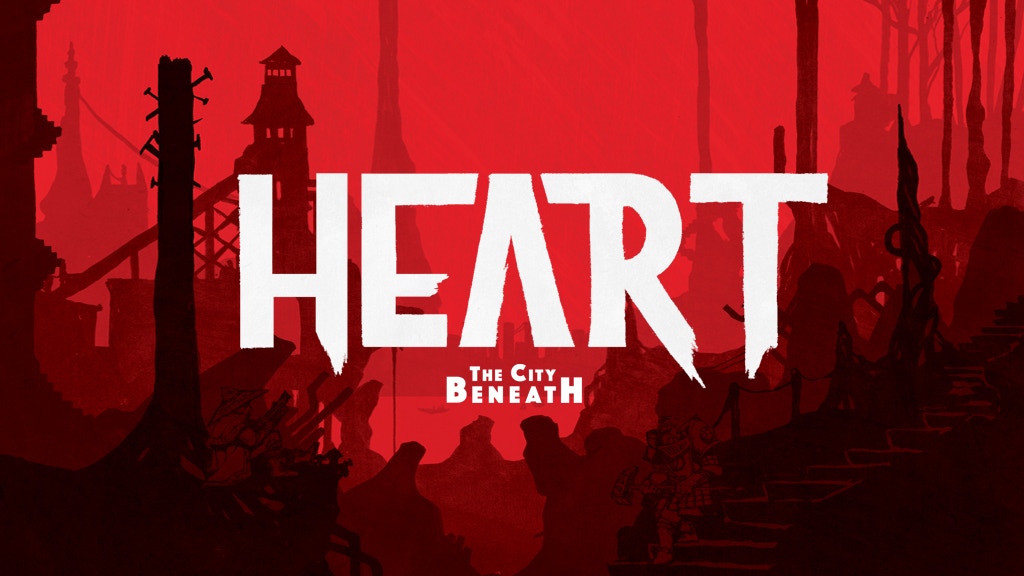
    Heart: The City Beneath RPG by Rowan, Rook and Decard — Kickstarter

    The Short Campaign

    This can be a game that is meant to be short-term like HEART or a short campaign like Foundry VTT’s The Demon Queen Awakens that can take up 3-4 sessions while you wait for half of your party to return. Sometimes you’ll have new players check out your community in the meantime and stick around for that campaign when it picks up again, or another game!

    The One Shots

    Specifically if you have a history of folks who are very bad about communication and cancel last minute – but you want to keep your valued customers happy with a diversion, I recommend investing in some One Shots at DriveThru RPG or another third party publisher like Kobold Press.

    Prep these in your downtime and just have them in the wings waiting for cancellations. Unfortunately, you still have to be paid – and an hour before session isn’t the best time to try to pull a hat trick out.

    The Method

    In closing, it’s best to recognize that you only have so much time to devote to your pro GMing business. You have to invest in what works and be efficient. I always say that pro GMing is a better part-time job than a full-time because of how up and down the freelancing market can be.

    If your chips are down in the summer: Keep experimenting with new things you have been wanting to try but could not because you had a full plate. You might find you can steadily grow an audience for the types of games you’re really passionate for, instead of “having to run the popular stuff”.

    The Plug

    I have some new campaigns that I’d like to fill now that my life isn’t consumed by the Kickstarter. They are:

    If you’d like to support me and my work, I always appreciate a pre-order for Vineyard RPG, too.

  • Curated, well-timed sound FX & music

    Hey y’all! Sorry for my unexpected hiatus. The Vineyard RPG really has sucked my availability for some time but I wanted to jump in here at the tail end of my COVID recovery to chat about the importance of sound in your games.

    Our principles today are:

    • The Welcome Screen

    • Silence

    • Tension Rising

    • Confrontation

      Thanks for reading Dollars & Dragons! Subscribe for free to receive new posts and support my work.

    The Welcome Screen

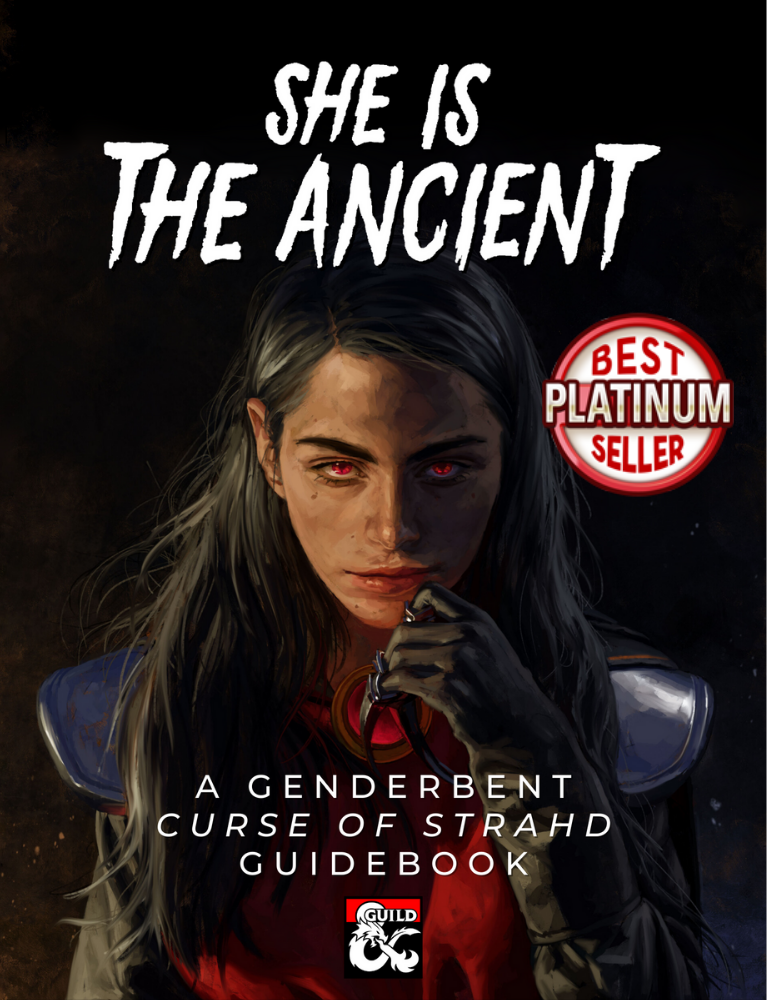
    Whenever your players are enjoying “gossip time” or waiting for others to arrive, setting your VTT to play a quiet loop that gets them into the mindset. This trains their brain and will net you rewards long-term. For my She Is The Ancient (Curse of Strahd) games I use Decomposed by Phillip Ayers (Epidemic Sound).

    My splash of the Countess Strahd von Zarovich (by Yorsy Hernandez) is there to greet them. It sets the stage. Think about how you want to set the stage.

    Tension Rising

    In order to raise the bar you want to build the players up over time. Let’s say you roughly plan to have a fight by mid-way into your session? Then you have 45-90 minutes to place “odd” things in front of them or something that lamp posts the oncoming horror. This also gives you a few opportunities for “wolf howls” or other foreshadowing.

    With music and ambient sounds, you may keep the volume low at first and slowly build it. Then shift to a more involved track when things get serious or during the reveal.

    Silence

    One of my prevailing principles is the use of silence to convey something amiss or about to happen. Utilizing those ambient noises (see example below of the chains clinking) can also unnerve players. Once the table has grown accustomed to a soundtrack always playing help tell the story, it will be an indicator that causes their hair to rise.

    Confrontation

    This is your opportunity for a villain track or emotionally fitting. My players have often lamented “NOT THIS SONG!” after months of playing with me, realizing what it meant before I narrated the villain’s arrival.

    I have 3 different Strahd tracks and at least 1 for every major NPC. There is a “someone just died” track that I play post-combat when a PC bites it. The players will grow to remember these songs and associate them with feelings you helped inspire – so try to pick the ones which will evoke the feelings you’re after.

    She Is The Ancient 2e

    Hey, it’s out and I’m a contributor! Check it out here. Hands down the best Curse of Strahd supplement out there.

  • Check out the new add-ons!

    Thanks to everyone who has supported us thus far. I’ve been overwhelmed with the amount of work between pro GMing and keeping up with the Kickstarter, but I wanted to share with y’all some add-ons newly available. I’ll get back to regular content here soon.

    Get involved in helping us write The Vineyard RPG and also help us fund! You’d be going through the same process as our writers do on the team. We have options big and small, depending on your budget.

    Check out the Kickstarter!